What is the rarest spinel colour? True cobalt-blue leads, with Mahenge's neon pink close behind and vivid red just below. Here is the 2026 rarity ranking, why each hue is so scarce, real price ranges, and how to buy with confidence.
The rarest spinel colour is a true cobalt-blue, coloured by cobalt and found in only a handful of deposits, with the vivid neon pink of Mahenge close behind. Fine chromium red ranks next, and colour-change spinel is the rarest optical effect. Scarcity comes from trace chemistry, tiny sources, and the near-total absence of treatment.
What Makes a Spinel Colour Rare?
Rarity in coloured gemstones is never a single quality. For natural spinel, the rarest spinel colour emerges from four forces working together. First is trace-element chemistry: pure spinel is magnesium aluminium oxide (MgAl2O4) and colourless, so every hue comes from tiny impurities borrowed from the surrounding rock - chromium for red and pink, cobalt for vivid neon blue, and iron for darker steely blue, grey and violet. Second is geology: the exact chemical recipe for a saturated hue occurs in very few places on earth. Third is yield: even in a productive mine, most rough is too pale, too dark or too included to cut a fine stone. Fourth is honesty of material - spinel is very rarely treated, so a vivid colour cannot be manufactured in a furnace the way it routinely is for sapphire.
That last point matters for identification too: because spinel is singly refractive, unlike the doubly refractive ruby and sapphire, a competent lab can separate it quickly and confirm that its colour was never coaxed out in a furnace. It also helps to remember that spinel is a scarce gem to begin with. As a species it is far less abundant than quartz, and its finest colours sit at the extreme end of an already narrow supply. The mineral itself is durable and collector-friendly: a Mohs hardness of 8, a single (isometric) crystal structure, a refractive index near 1.712 to 1.762, and a specific gravity around 3.60. Those constants never change - what changes from stone to stone is colour, and it is colour that separates a modest grey from a trophy cobalt-blue on the dealer's bench.
The Rarest Spinel Colours, Ranked
Ask ten dealers to name the rarest spinel colour and the top of the list barely moves. In our own experience handling loose stones, the scarcity order below holds up year after year - from material we might see only a few times a season down to colours a patient collector can still track down.
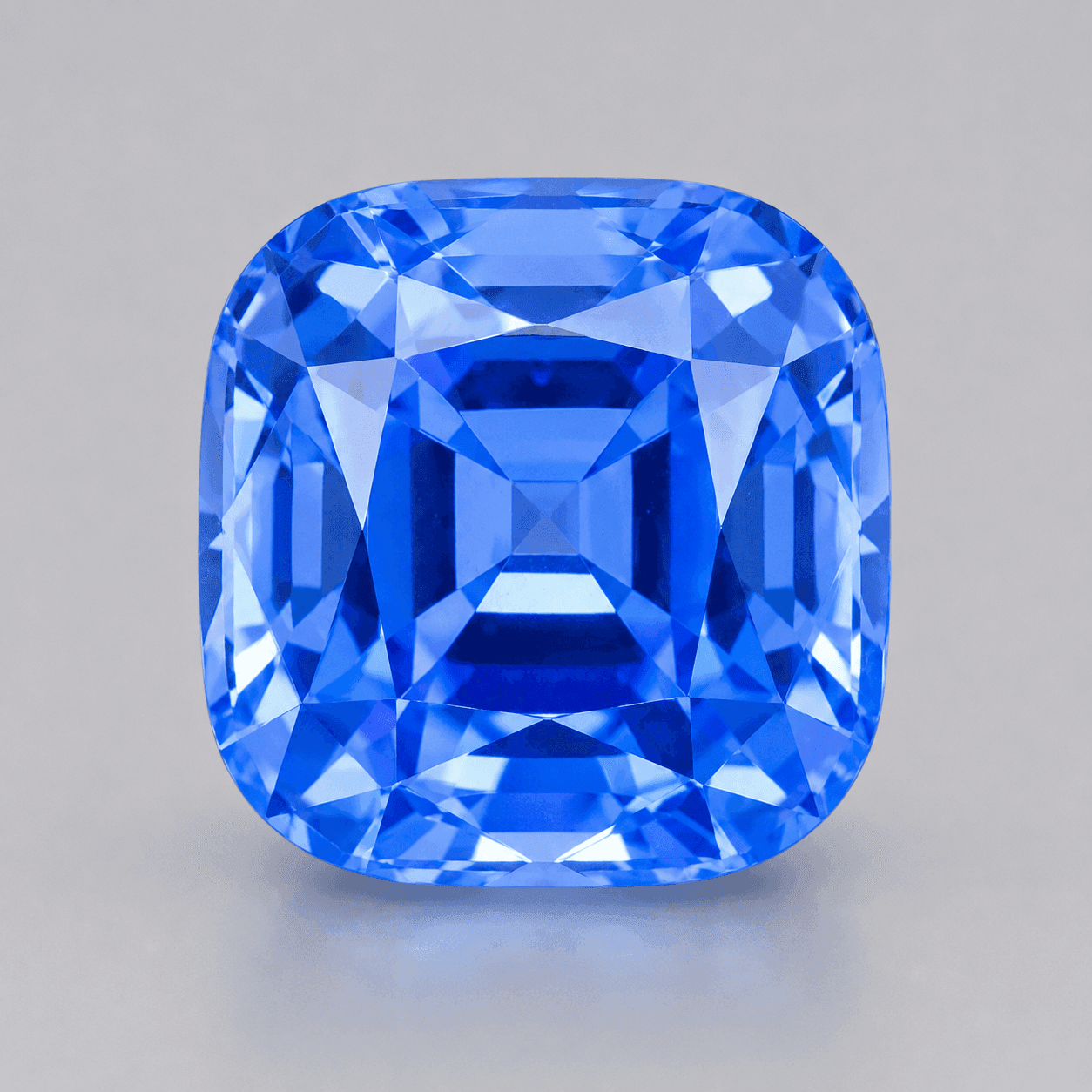
- True cobalt-blue - an electric, almost glowing blue driven by cobalt. The purest examples, historically from Luc Yen in Vietnam, are the single hardest spinel colour to source in fine quality.
- Vivid neon pink (Mahenge) - a fluorescent, chromium-rich pink from Tanzania. The 2007 Mahenge discovery revived the entire spinel market, yet top neon material remains scarce.
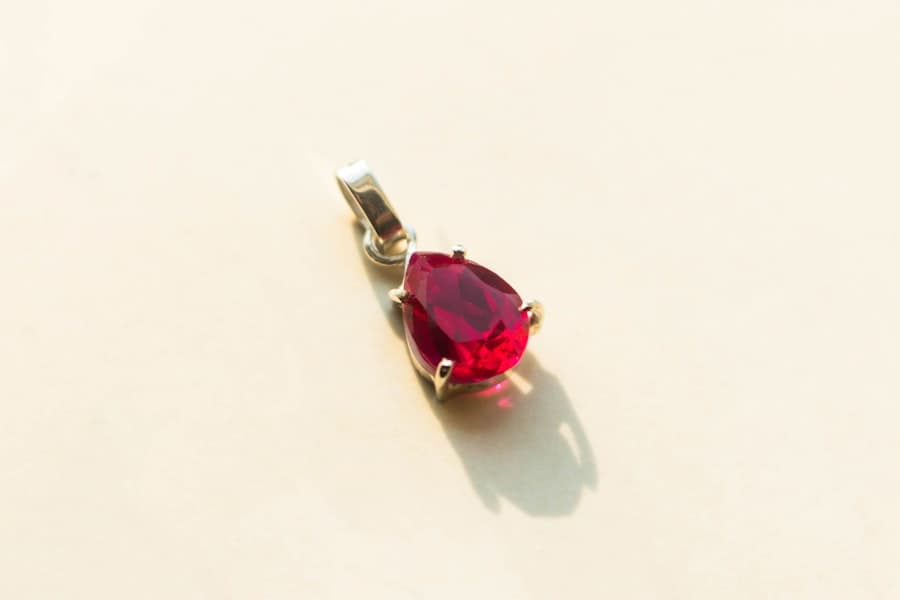
- Vivid red - a pure, saturated chromium red, classically from Mogok in Myanmar. This is the colour that fooled kings, mistaken for ruby for centuries.
- Colour-change - stones that shift hue between daylight and lamplight. This is the rarest optical behaviour in spinel rather than a single fixed hue.
- Purple and violet - iron-influenced and more available than the colours above, but still uncommon in clean, saturated quality.
- Orange and flame tones - genuinely scarce, though quieter in the market and often overlooked by collectors.
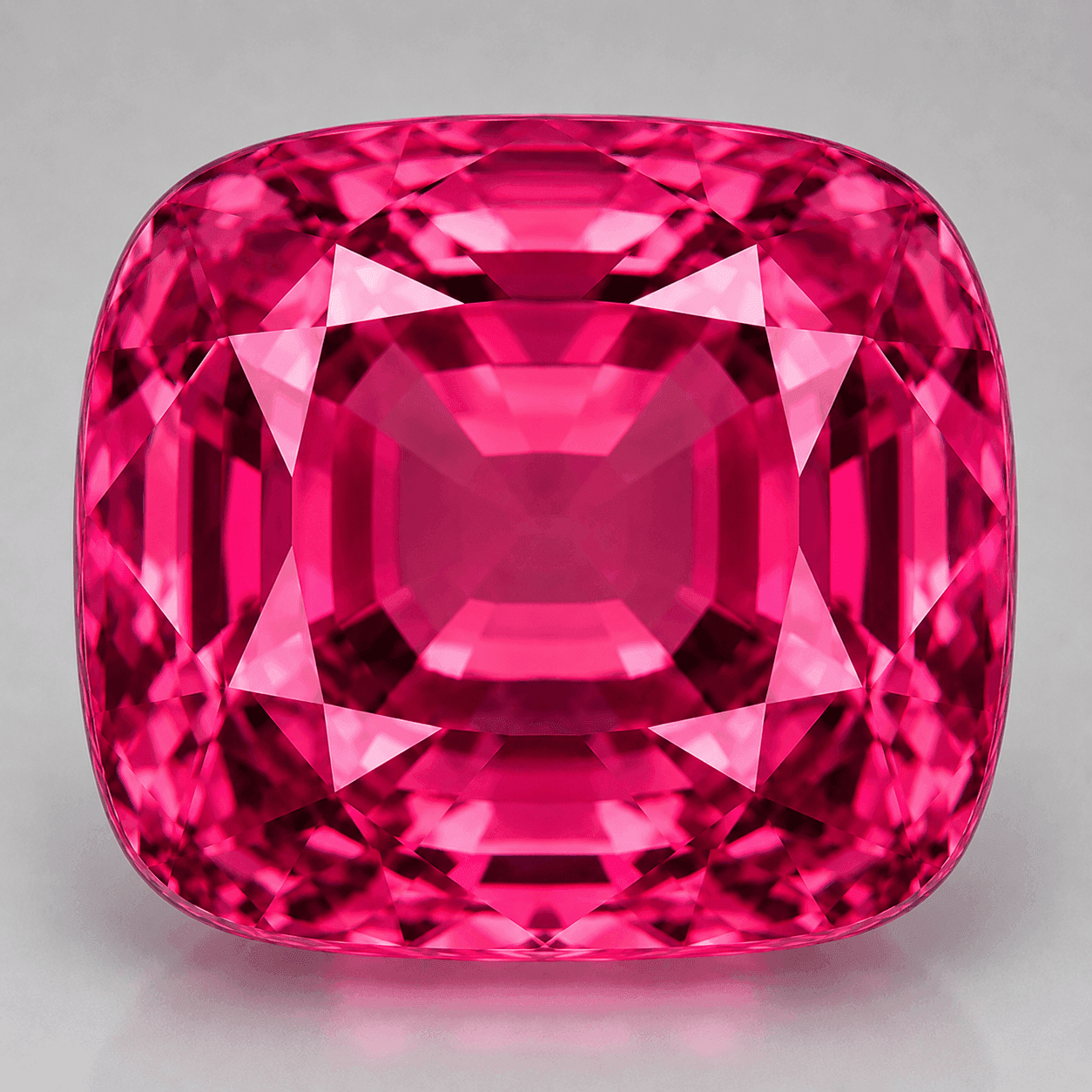
The table below compares the top rarities side by side: the trace element behind each colour, its signature deposit, and the treatment reality that makes spinel so unusual among coloured stones.
| Rarity rank | Colour | Trace element | Signature deposit | Treatment reality |
|---|---|---|---|---|
| 1 | True cobalt-blue | Cobalt | Luc Yen, Vietnam; Mahenge, Tanzania | Almost never treated |
| 2 | Vivid neon pink | Chromium | Mahenge, Tanzania (found 2007) | Very rarely treated |
| 3 | Vivid red | Chromium | Mogok, Myanmar | Very rarely treated |
| 4 | Colour-change | Iron and chromium balance | Sri Lanka; Tanzania; Myanmar | Very rarely treated |
| 5 | Purple / violet | Iron (with some chromium) | Sri Lanka; Tanzania; Myanmar | Very rarely treated |
| 6 | Orange / flame | Mixed trace elements | Myanmar; Tanzania | Very rarely treated |
Why Is Cobalt-Blue the Rarest Spinel Colour?
True cobalt-blue earns the title of rarest spinel colour because the chemistry that creates it is so restricted. Cobalt, not iron, is responsible for the vivid electric blue, and cobalt-bearing spinel forms in only a few deposits worldwide. Vietnam's Luc Yen region produces the most coveted material - small crystals of an intense, saturated blue that seems lit from within. Because that cobalt-rich rough tends to form as small crystals, clean stones above a carat or two are disproportionately scarce, and per-carat prices climb steeply with size. A more recent cobalt-blue find at Mahenge in Tanzania, around 2021 to 2022, tends to yield larger and more open stones, while Sri Lankan cobalt spinel carries more iron, giving denim-blue and purplish tones that serve as the accessible entry point into the colour.
What sharpens the rarity is authenticity. Spinel is very rarely treated, and fine cobalt spinel is almost never treated at all - the colour you see is exactly what nature produced. Compare that with blue sapphire, where roughly 90% of material is heat-treated to improve colour. As of 2026, second-tier cobalt spinel starts around $2,000 per carat, while top eye-clean electric-blue stones can exceed $20,000 per carat. For the full picture, see our cobalt-blue spinel guide and how the two stones compare in our spinel versus sapphire breakdown.
Vivid Neon Pink and the Mahenge Effect
If cobalt-blue is the rarest spinel colour by chemistry, Mahenge neon pink is its closest rival by desirability. Discovered in 2007, the Mahenge deposit in Tanzania produced pinks and reds of such fluorescent intensity that they single-handedly revived collector interest in spinel. Chromium is the colouring agent, and the distinction that matters is fluorescence: ordinary pink spinel can be pretty but pastel, whereas true Mahenge neon carries a chromium-driven glow that lifts the colour a full step in intensity. That glow is what collectors chase, and it is far scarcer than the pink label alone suggests. Larger clean crystals are possible here than in most red-spinel sources, which is part of the appeal, though the strongest neon material stays uncommon and is priced accordingly. Our Mahenge spinel guide covers the deposit in depth, and the broader pink spinel guide sets it in context.
Where Do Red and Colour-Change Spinel Rank?
Vivid red is the colour most people picture first, and it is genuinely rare in top quality - but it ranks below cobalt-blue and neon pink because more sources produce it and more fine stones reach the market. Pure chromium red from Mogok in Myanmar is the historical benchmark; it is the colour behind the Black Prince's Ruby and the Timur Ruby in the British Crown Jewels, both of which are actually spinels. Collectors distinguish the cooler, pure reds of Mogok from the warmer, sometimes pinkish reds of Mahenge; both can be superb, but a pure, slightly cool Mogok red remains the reference point. A top red spinel is often priced at roughly one-tenth of a comparable ruby, which is precisely why connoisseurs pay it such close attention. Our red spinel guide breaks down the tiers in detail. One warm outlier belongs here too: a clean, saturated orange is one of the scarcest spinels of all — thinly traded rather than widely ranked — and the salmon-to-sunset An Phu Sunset from Vietnam's Luc Yen is the rare warm stone few collections ever manage to include.
Colour-change spinel is a different kind of rarity. Rather than one hue, it is an optical effect: the stone shifts between a blue or violet in daylight and a purple or reddish tone under incandescent light, caused by a delicate balance of iron and chromium. Unlike the famous change of alexandrite, spinel's shift is usually gentler, which is exactly why a stone with a strong, unambiguous change is such an uncommon find. Convincing, strong-change stones are among the scarcest spinels of all, which is why we rank the phenomenon so highly. Because the effect is subtle and easily overstated by sellers, an independent report matters even more than usual - see our colour-change spinel guide for what to look for.

What Does Rarity Mean for Price in 2026?
Rarity and price track each other closely in spinel, though not perfectly - demand, size and origin all pull on the numbers. The ranges below reflect the loose-stone market as of 2026 and should be read as guidance rather than fixed quotes. Notice how the rarest spinel colour, cobalt-blue, and the top tier of red overlap at the summit, while everyday spinel stays genuinely accessible.
| Colour / tier | Approx. 2026 price per carat | Notes |
|---|---|---|
| Commercial red | $100 - $600 | Everyday reds, more included or lighter in tone |
| Good red | $600 - $2,000 | Cleaner stones with better saturation |
| High red | $2,000 - $5,000 | Strong, pure red and eye-clean |
| Top red | $5,000 - $10,000 | Best colour and clarity; exceptional Myanmar can exceed $20,000 |
| Cobalt-blue (entry) | from about $2,000 | Second-tier or more included cobalt stones |
| Cobalt-blue (top) | $20,000+ | Top eye-clean electric-blue material |
| Grey | $300 - $500 | Well-cut stones; popular for men's jewellery |
Two things stand out. First, the ceiling: exceptional Myanmar red can exceed $20,000 per carat and top cobalt-blue sits in the same territory, yet both remain a fraction of what comparable ruby or sapphire commands. Second, the value logic: because spinel is so rarely treated, you are paying for natural colour rather than furnace work. For any significant stone we always recommend an independent gemological certificate - more on that in our guide to spinel certification and the is spinel valuable discussion.
Where Do Grey and the Everyday Colours Fit?
Not every spinel is a trophy, and a good dealer will say so plainly. Grey spinel, coloured by iron, is one of the most accessible fine colours: well-cut stones typically run $300 to $500 per carat as of 2026, and their neutral, metallic tone has made them a favourite for men's jewellery. Lavender, mauve and lighter blues occupy a similar accessible tier. None of these is the rarest spinel colour, but they are honest, durable, entirely natural stones - a low-risk way to start a collection before reaching for cobalt-blue or Mahenge pink. To see the full spectrum in one place, browse the many colours of natural spinel.
How to Buy the Rarest Spinel Colours
Buying at the rare end of the market rewards patience and method. These are the steps we recommend to collectors chasing the rarest spinel colour.
- Decide your colour priority first - cobalt-blue, neon pink, vivid red or colour-change - because each behaves differently in the market and rewards a different budget.
- Set your quality axes: judge hue, tone and saturation in natural daylight, and inspect clarity for eye-clean transparency.
- Confirm the material is untreated; with spinel this is usually the case, but a laboratory report removes any doubt.
- Insist on an independent certificate from a respected lab - GIA, Gubelin, SSEF, GRS, Lotus Gemology or AGL - covering origin and treatment.
- Anchor the price against ruby and sapphire so you can see the relative value you are capturing.
- Buy from a specialist who handles loose spinel daily and will discuss a stone's weaknesses as openly as its strengths.
Independent education helps here. The GIA spinel buyer's guide and its spinel quality factors explain how hue, tone and saturation are assessed, while labs such as Gubelin and Lotus Gemology publish the origin and treatment research that underpins serious collecting. For a full purchasing framework, our spinel buying guide walks through the same process step by step.
Frequently Asked Questions
- What is the rarest spinel colour?
- True cobalt-blue is generally considered the rarest spinel colour, because cobalt chemistry occurs in only a few deposits and fine, eye-clean stones almost never surface. The vivid neon pink of Mahenge is a very close second, followed by pure chromium red and colour-change spinel.
- Is cobalt spinel rarer than red spinel?
- In fine quality, yes. Red spinel is produced by more deposits and reaches the market in greater numbers, so top red - while scarce - is easier to source than top cobalt-blue. Cobalt's restricted chemistry and tiny sources make electric-blue stones the harder colour to find.
- Is spinel rarer than ruby and sapphire?
- Fine spinel is genuinely rare, yet it sells for far less than ruby or sapphire - a top red spinel is often around one-tenth the price of a comparable ruby. It is also far more natural: spinel is very rarely treated, while roughly 90% of blue sapphire is heat-treated.
- Is the rarest spinel colour ever treated?
- Very rarely. Spinel as a species is seldom treated, and fine cobalt-blue - the rarest spinel colour - is almost never treated at all. That is a core part of its appeal: the colour is entirely natural. For any significant stone, an independent certificate confirms treatment status and origin.
- How much does the rarest spinel colour cost in 2026?
- As of 2026, cobalt-blue spinel runs from about $2,000 per carat for second-tier stones to more than $20,000 per carat for top eye-clean electric blues. Fine red spinel reaches roughly $5,000 to $10,000 per carat at the top, with exceptional Myanmar stones exceeding $20,000.
The Collector's Takeaway
For the connoisseur, the rarest spinel colour is not a trophy to chase blindly but a lens for understanding value: cobalt-blue and Mahenge neon pink at the summit, vivid red just below, and colour-change as the wild card - each genuinely scarce, and each still a fraction of ruby or sapphire money. When you are ready to see stones in person, browse our loose spinel collections or step straight into the cobalt-blue collection, and ask for the certificate on anything that speaks to you.
For more on where rarity meets the market, read our guides to blue spinel, the genuinely scarce colourless spinel, and the most expensive spinel. One of the scarcest phenomena of all is star spinel. See also spinel vs alexandrite, why spinel is rare and rare bicolour spinel.
Sources
Facts on this page draw on independent gemmological authorities:
- Gemological Institute of America (GIA) · Institute
- Gübelin Gem Lab · Laboratory
- GRS (GemResearch Swisslab) · Laboratory
- Lotus Gemology · Laboratory