Is spinel valuable? Increasingly so. This 2026 collector's guide breaks down what drives spinel value - colour, size, clarity, origin and certification - with honest, current per-carat price ranges from a specialist loose-spinel dealer.
Is spinel valuable? Yes - natural spinel is a genuine precious gem, and one of the fastest-rising in the coloured-stone market. Fine reds and cobalt blues command four- to five-figure per-carat prices in 2026, yet a top red spinel still costs roughly a tenth of a comparable ruby.
What Makes Spinel a Precious Gem?
Spinel is a magnesium aluminium oxide (MgAl2O4) that crystallises in the cubic system, which makes it singly refractive, with a refractive index around 1.712 to 1.762 and a specific gravity near 3.60. It measures 8 on the Mohs scale - hard enough for daily wear. Its colours come from trace elements: chromium produces red and hot pink, cobalt gives the rare neon blue, and iron pushes stones toward steely blue, grey and violet. On paper and in the hand, it behaves like a serious gemstone, and the market now treats it as one.
Two optical qualities do much of the heavy lifting. That relatively high refractive index gives spinel a bright, lively return of light, and because the crystal is singly refractive the colour reads cleanly rather than splitting in two directions the way it can in a doubly refractive gem. Fine spinel is also frequently very clean under magnification, and many reds and pinks glow softly under ultraviolet light - quiet signals of quality that experienced buyers price in.
The 'precious' label is not marketing. For centuries spinel was mistaken for ruby, and two of the most famous 'rubies' in the world are actually spinel - the Black Prince's Ruby and the Timur Ruby, both set in the British Crown Jewels. Recognition finally caught up in 2016, when the AGTA added spinel as an official August birthstone alongside peridot. If you want the full technical picture first, our complete guide to natural spinel covers the species end to end.
Is Spinel Valuable Compared to Ruby and Sapphire?
Here is the comparison that reframes everything. Ruby and blue sapphire are both corundum, backed by centuries of brand recognition and deep luxury demand. Spinel sits right beside them in beauty and durability, yet for most of the twentieth century it was overlooked - which is precisely why it looks undervalued today. In our own dealing, a top red spinel routinely trades at roughly one-tenth the price of a comparable ruby: the same vivid red, the same hardness, a fraction of the outlay. We see it constantly on the desk: a buyer arrives cross-shopping a ruby, sets a fine red spinel beside it, and struggles to name the difference by eye. The price is the difference they can name.
Two facts sharpen the case. First, treatment. Spinel is very rarely treated, and fine cobalt spinel is almost never treated, whereas roughly 90% of blue sapphire on the market is heat-treated. When you buy a fine spinel, you are almost always buying an untouched natural crystal. Second, rarity: in the very top colours, fine spinel is scarcer than sapphire. That pairing - untreated and genuinely rare - is unusual at this price point. For a full head-to-head, see spinel vs sapphire.
| Factor | Fine red spinel | Ruby | Blue sapphire |
|---|---|---|---|
| Mineral species | Spinel (MgAl2O4) | Corundum | Corundum |
| Usually treated? | No - rarely | Commonly | Yes - about 90% heated |
| Relative price, top colour | Baseline | Roughly 10x the spinel | Higher demand, wider supply |
| Fine-colour availability | Rarer than sapphire | Scarce | More available |
The Five Value Drivers That Set the Price
Whenever we price a stone, the same five factors decide where it lands. Understanding them is the difference between overpaying and buying well.
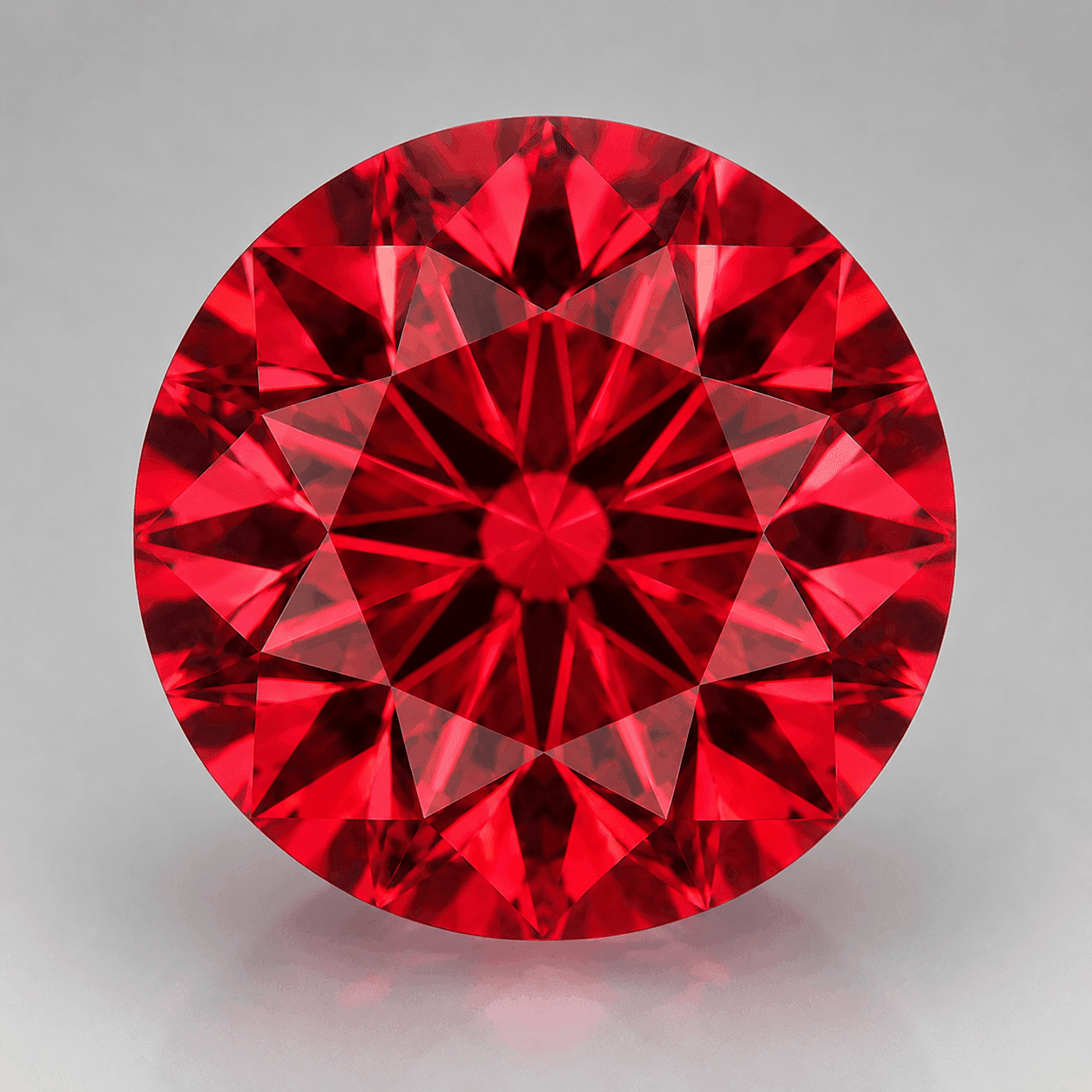
- Colour - the dominant driver. Vivid, evenly saturated red and neon cobalt-blue sit at the very top; greys and lighter pinks are more accessible. Hue, tone and saturation together matter more than any single lab line.
- Size - fine spinel grows scarce quickly above 2 to 3 carats in a top colour, so per-carat price climbs steeply as weight rises.
- Clarity - the ideal is eye-clean. Spinel is often cleaner than ruby, so buyers reasonably expect brilliance uninterrupted by obvious inclusions.
- Origin - Mogok in Burma, Mahenge in Tanzania and Luc Yen in Vietnam carry premiums for their signature colours, and documented origin adds value.
- Certification - an independent report confirming natural, untreated spinel underpins every other factor and protects resale.
Spinel Price Ranges in 2026
The figures below are per-carat guide ranges as of 2026 for loose natural spinel; any individual stone moves within them according to the five drivers above. For a fuller breakdown across colours and sizes, see our spinel price guide.
| Type / quality | 2026 price per carat | Notes |
|---|---|---|
| Commercial red | ~$100-600 | Included or lighter stones, smaller sizes |
| Good red | ~$600-2,000 | Better colour, eye-clean, roughly 1-2 ct |
| High red | ~$2,000-5,000 | Vivid red, clean, good size |
| Top red | ~$5,000-10,000 | Fine pure red - still about 1/10 of a comparable ruby |
| Exceptional Myanmar red | $20,000+ | Rare Mogok material in larger sizes |
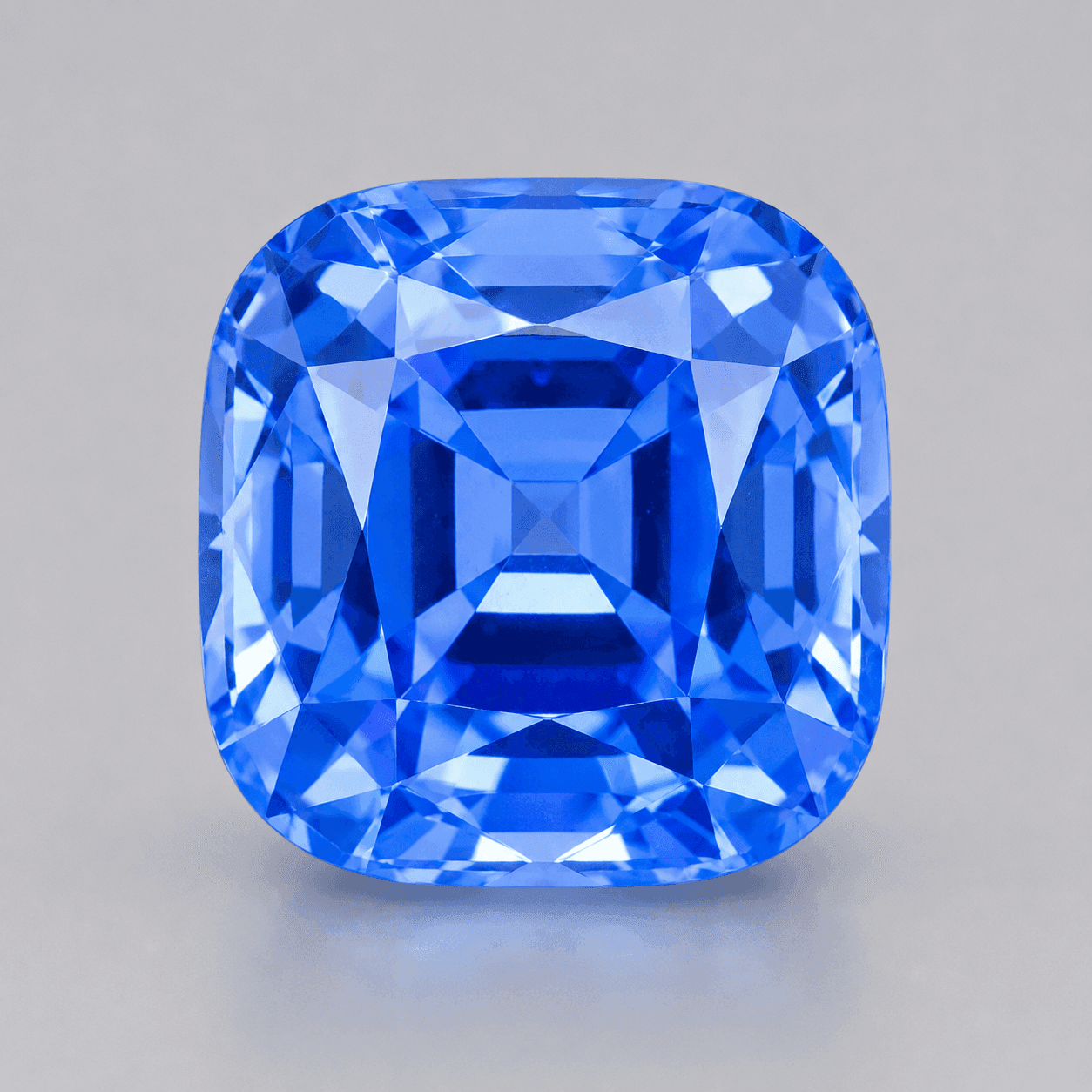
| Cobalt-blue spinel | ~$2,000-20,000+ | Second-tier from ~$2,000; top eye-clean above $20,000 |
| Grey spinel | ~$300-500 | Well-cut; popular for men's jewellery |
The story inside those numbers is colour. Red spinel remains the classic collector's target, while cobalt spinel is the rocket: the neon, cobalt-bearing blue from Vietnam's Luc Yen is the most coveted, Mahenge in Tanzania yields larger and more 'open' cobalt stones, and Sri Lanka's more iron-rich denim and purple material is the accessible entry point. Grey spinel, well cut, is an easy first step into the species - which is partly why it has become a favourite for men's jewellery. And remember that weight compounds with colour: an eye-clean five-carat cobalt blue sits in a different universe from a one-carat stone, because large, saturated, untreated crystals are exactly what these deposits yield least often.
How Rare Is Spinel, Really?
Rare enough that a single discovery can move the whole market. The modern spinel story really begins in 2007, when a deposit of electric neon pink was found at Mahenge in Tanzania - material so vivid it revived collector interest in the entire species. Then, around 2021 to 2022, Mahenge began producing cobalt-blue spinel as well, adding a second world-class colour to the map. These are not endless deposits; fine rough is pulled from a handful of locations in small quantities, and the best crystals are cut once and gone.
That is the part collectors find compelling. Because spinel is so rarely treated, each fine stone is essentially a one-of-one natural object - no two neon Mahenge pinks or Luc Yen cobalts are identical, and there is no routine heat process quietly standardising the supply. So when the question is whether spinel holds real value, rarity answers plainly: in the top colours and larger sizes, you are competing with the world's connoisseurs for a very short list of stones.
How to Judge Whether a Spinel Is Worth It
You do not need a laboratory to shop intelligently. Work through these steps in order and you will avoid the most common mistakes buyers make.
- Judge colour first - assess hue, tone and saturation in daylight. Vivid, evenly saturated red or neon cobalt-blue carries the most value.
- Weigh size against colour rarity - fine spinel above 2 to 3 carats in a top colour is disproportionately scarce and priced accordingly.
- Check clarity - aim for eye-clean. Minor inclusions are acceptable, but they should not dull the brilliance.
- Ask about origin - Mahenge, Mogok and Luc Yen carry premiums, so request whatever evidence supports the claim.
- Confirm it is untreated and insist on an independent certificate from a respected gemological laboratory.
- Compare the per-carat asking price against the 2026 ranges above before you commit.
Does a Certificate Change What a Spinel Is Worth?
Yes - materially, for any significant stone. An independent report does three things that bear directly on value. It confirms the gem is natural spinel rather than a synthetic or a look-alike; it states treatment status, which for spinel is usually 'none' and well worth documenting; and it often gives an opinion on geographic origin. The laboratories collectors trust most include the GIA, SSEF, Gubelin, GRS and Lotus Gemology.
In practice, an otherwise identical pair of stones will not fetch identical prices if only one carries a respected report - especially a report confirming a premium origin such as Mogok, Mahenge or Luc Yen. The certified stone sells faster and holds value better, because the buyer is not paying for uncertainty. For commercial spinel under a few hundred dollars a carat a full report is optional; once you move into four figures it is essential. Our spinel buying guide shows how a report fits into the wider purchase.
Is Spinel a Smart Long-Term Buy?
Honestly, it depends on how you buy. Spinel has appreciated markedly since 2007, driven by finite deposits, rising recognition and its untreated character, and demand in the top colours continues to outrun supply. But gemstones are illiquid, carry a real gap between buy and sell prices, and reward patience rather than speed. The stones that actually appreciate are almost always the ones bought at the top of the quality ladder, not the comfortable middle, so buying well matters more than buying often. We will not promise returns. What we will say is this: circle back to the core question - is spinel valuable as a long-term hold? - and for a fine, certified stone bought at the right price, the honest answer is a qualified yes.
Buy the finest colour you can afford, insist on an independent certificate, and hold for the long term, and you own something genuinely scarce. Read our fuller view on whether spinel is a good investment, and if certification is new to you, spinel certification explained walks through the major labs. For the standards behind those reports, GIA's spinel buyer's guide and the origin and treatment reports from Lotus Gemology are useful independent references.
Spinel rewards the collector who values genuine rarity over a familiar name. If that is you, browse our loose natural spinel - every significant stone is offered with independent certification - or begin with the red spinel collection that first drew connoisseurs to the species. The next fine stone you see may not be cut again.
Frequently Asked Questions
- Is spinel valuable, or just a cheap ruby substitute?
- Spinel is a precious gem in its own right, not a substitute. Fine red and cobalt-blue spinel reach five figures per carat in 2026. It was historically mistaken for ruby - the Black Prince's Ruby is actually spinel - but today collectors prize it independently for colour, rarity and its almost-always-untreated nature.
- Why is spinel cheaper than ruby if it is rarer?
- Mostly history and marketing. Ruby has centuries of brand recognition and a deeper luxury market, so its demand and price sit higher. A top red spinel often costs roughly a tenth of a comparable ruby, which is exactly why value-focused collectors view current spinel pricing as an opening rather than a discount.
- Which spinel colour is the most valuable?
- Vivid cobalt-blue spinel is generally the most valuable, reaching $20,000-plus per carat for top eye-clean stones, with Vietnam's Luc Yen material the most coveted. Pure, saturated red from Myanmar can also exceed $20,000 per carat. Neon Mahenge pink and fine red command strong premiums as well.
- Do I need a certificate to prove a spinel's value?
- For any significant stone, yes. An independent report from a respected lab confirms the gem is natural spinel, states whether it is treated, and often notes origin - the three facts that most affect value. Certification protects resale value and is standard practice among serious collectors and dealers.
- Is spinel a good investment in 2026?
- Spinel has appreciated strongly since Mahenge's 2007 discovery, driven by finite deposits and rising demand, so it can hold and build value. But gemstones are illiquid and carry buy-sell spreads, so treat it as a passion asset first. Buy the finest certified colour you can and hold long term.
To see where value peaks and why, read the most expensive spinel and our guide to spinel clarity, cut and shape. Related reading: spinel colour grading and is spinel a precious stone? See also spinel appraisal and insurance and why spinel is rare.
Sources
Facts on this page draw on independent gemmological authorities:
- Gemological Institute of America (GIA) · Institute
- Gübelin Gem Lab · Laboratory
- GRS (GemResearch Swisslab) · Laboratory
- Lotus Gemology · Laboratory