Thinking about spinel investment in 2026? Here is an honest, balanced view of where fine natural spinel value is heading, what drives it, and the real risks every collector should weigh before buying.
Spinel investment in 2026 is best described as promising but still early. Fine untreated spinel has climbed steadily since Mahenge's 2007 discovery, and the finest red and cobalt-blue stones are genuinely scarce. Yet the market remains nascent beside ruby, so treat spinel as a collector's passion first and a financial position second.
Why Spinel Investment Became a Serious Question
A decade ago, few buyers outside the trade discussed spinel investment at all. That has changed. The 2007 discovery of neon pink spinel at Mahenge in Tanzania revived a sleepy market almost overnight, introducing a saturation the gem world had rarely seen. In 2016 the AGTA added spinel as an official August birthstone alongside peridot, widening mainstream awareness. Around 2021 to 2022 a cobalt-blue deposit at Mahenge added a second headline colour to the story. Layer on the romance of history - the Black Prince's Ruby and the Timur 'Ruby' in the British Crown Jewels are both, in fact, spinels once mistaken for ruby - and you have a gem with a genuine narrative behind its rising demand.
We have handled loose spinel for years, and the shift is real on our side of the counter. Buyers who once asked only for ruby or sapphire now ask, specifically, whether spinel holds its value. The honest answer is nuanced, which is exactly why a balanced look at spinel investment matters more than a sales pitch. For the groundwork on how spinel earns its price, our guide to whether spinel is valuable sets the foundation this article builds on.
Is Spinel a Good Investment Next to Ruby and Sapphire?
This is where spinel becomes genuinely interesting to a connoisseur. A top red spinel often trades at roughly one-tenth the price of a comparable ruby, despite similar beauty and far less treatment. Where an estimated 90% of blue sapphire is heat-treated, spinel is very rarely treated at all, and fine cobalt-blue spinel is almost never treated. For a buyer who values a natural, untouched stone, that contrast sits at the heart of the value argument. Compare them directly in our spinel versus ruby breakdown and spinel versus sapphire comparison.
The anchoring cuts both ways, though. Ruby and sapphire command their premiums partly because of a century of auction records, brand recognition and deep liquidity. Spinel has the beauty and the rarity but not yet the track record. That gap is the heart of the spinel investment debate - some collectors are betting on it, while others stay wary. The GIA's own spinel buyer's guide is a useful, sales-free place to understand quality before you weigh price.
What Actually Drives Spinel Value in 2026
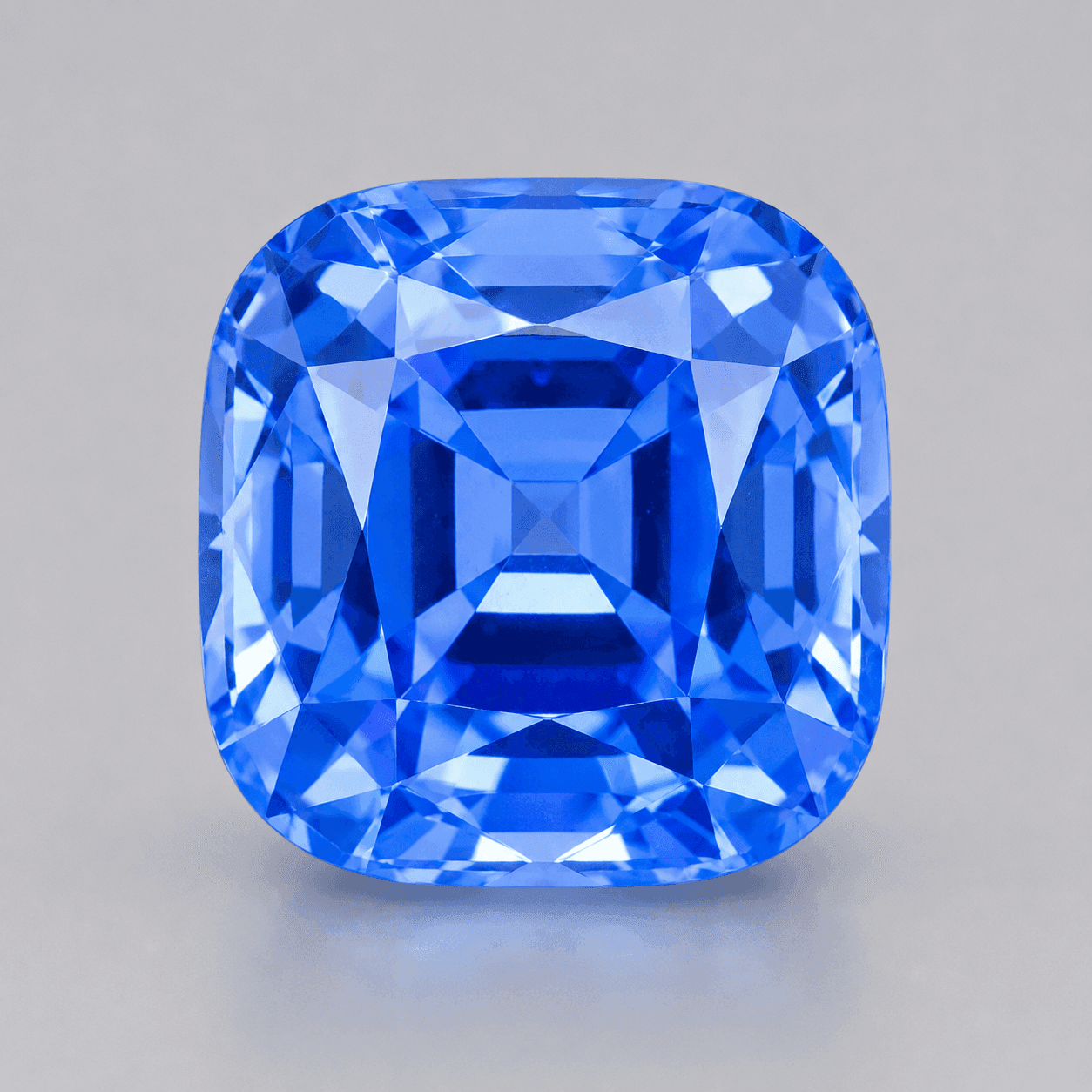
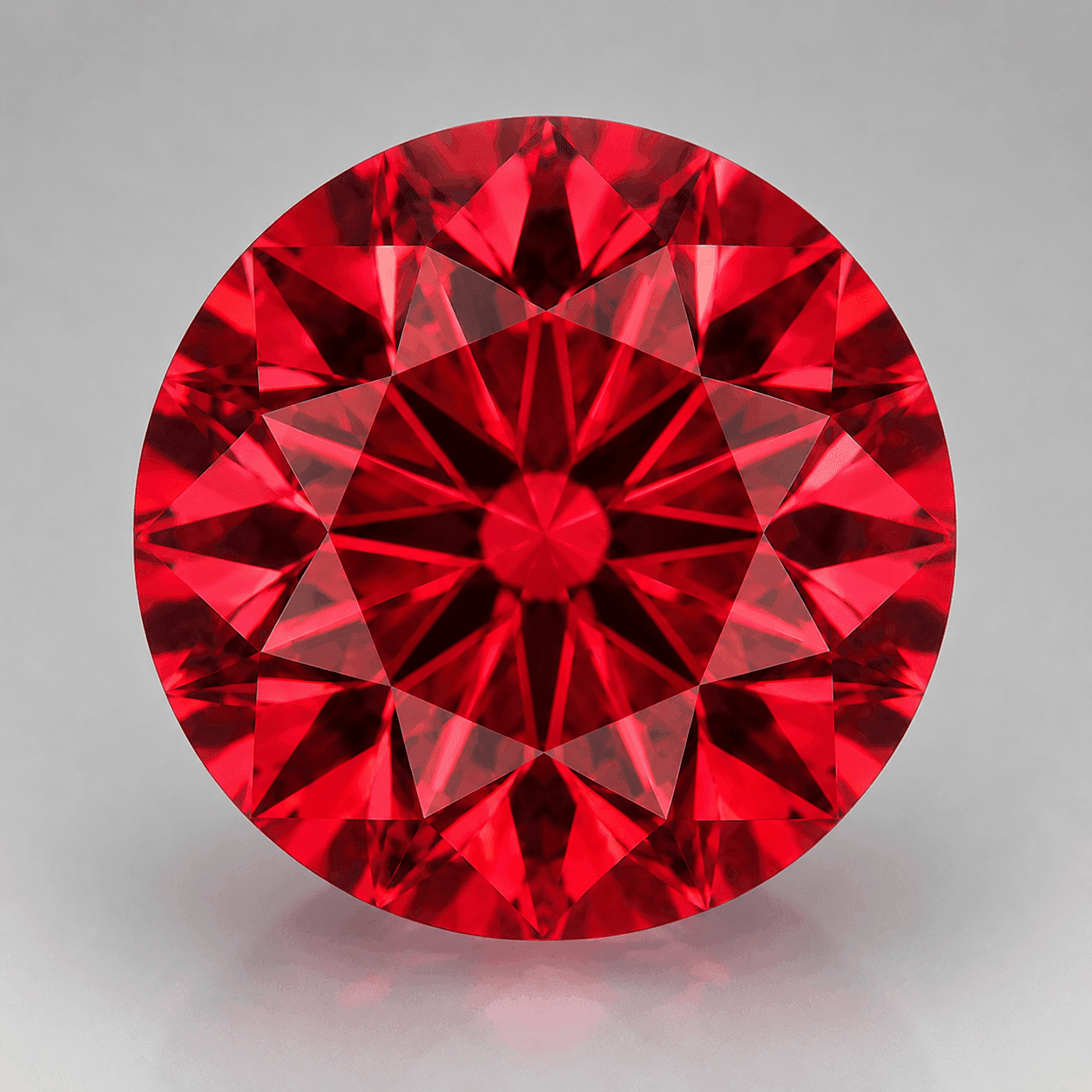
Value in spinel follows colour, clarity, cut, carat and origin, weighted heavily toward colour and rarity. Chromium produces the sought-after reds and hot pinks; cobalt produces vivid neon blue; iron pushes stones toward darker, steely blue, grey and some violet. As a species, spinel is magnesium aluminium oxide, Mohs 8, singly refractive with a refractive index around 1.712 to 1.762 and a specific gravity near 3.60, durable and stable enough to hold its condition over decades, which matters for anything held long term. That hardness is not a minor point for a long hold: a stone that resists scratching and abrasion keeps the condition, and therefore the value, that a softer gem might slowly lose. A laboratory origin call, such as Mogok for red or Luc Yen for cobalt-blue, can then add a meaningful premium on top of colour.
Size compounds rarity. Fine spinel above five carats in a top colour is dramatically scarcer than one-carat material, so per-carat prices rise steeply with weight at the high end. That is one more reason a single larger stone can anchor a collection more effectively than several small ones. The table below reflects the real 2026 ranges we see in the loose market.
| Spinel type | Quality tier | Approx. 2026 price / carat |
|---|---|---|
| Red spinel | Commercial | $100-600 |
| Red spinel | Good | $600-2,000 |
| Red spinel | High | $2,000-5,000 |
| Red spinel | Top | $5,000-10,000 |
| Red spinel | Exceptional, Myanmar | $20,000+ |
| Cobalt-blue spinel | Second tier | from ~$2,000 |
| Cobalt-blue spinel | Top, eye-clean | $20,000+ |
| Grey spinel | Well-cut | $300-500 |
Two lessons sit inside that table. First, the distance between commercial and top material is enormous - spinel investment logic really only applies to the upper tiers, where scarcity is genuine. Second, one exceptional stone can outweigh a handful of merely good ones. For the full picture across every tier and colour, see our spinel price guide.
The Untreated Advantage and the ESG Story
Two forces are quietly strengthening the spinel investment case for collectors. The first is treatment, or rather the lack of it. Because spinel is very rarely treated - and fine cobalt spinel almost never - a report confirming 'no indications of treatment' is the norm rather than the exception. Against a sapphire market where heating is routine, an untreated stone with documented origin carries a purity connoisseurs increasingly seek. Our explainer on spinel certification covers what those reports actually verify.
The second force is provenance. Much fine spinel comes from artisanal and small-scale mining in Myanmar's Mogok valley, Vietnam's Luc Yen and Tanzania's Mahenge, which appeals to buyers who care about traceability and a lighter-footprint supply chain. None of this guarantees a return, but it does explain why demand for well-documented, single-origin, untreated spinel has firmed. Respected laboratories such as Lotus Gemology and GRS have helped standardise the origin and treatment reporting that makes this confidence possible.
Why Top-End Supply Stays So Tight
Scarcity in spinel is not a marketing line; it is a function of geology and mining. The neon pink and cobalt-blue that define the modern market come from a handful of deposits, and the very best rough is a small fraction of even those. Mahenge's neon pink emerged in 2007 and its cobalt-blue only around 2021 to 2022 - recent enough that no one can promise how long either will keep producing fine material. Mogok in Myanmar has yielded the world's great red spinels for centuries, yet output is irregular. Vietnam's Luc Yen gives up the most coveted cobalt-blue in small quantities. This tight, single-source supply is the backbone of the spinel investment case: when a colour depends on one or two artisanal mines, a top stone is genuinely a one-of-one proposition.
Which Spinels Hold Value Best?
Not every spinel is a spinel investment candidate, and the finest tier is smaller than most buyers expect. Vivid red from Mogok remains the connoisseur's benchmark and the most likely to appreciate. Cobalt-blue is the other headline: Vietnam's Luc Yen material is the most coveted, Mahenge's cobalt-blue tends to come larger and more open in colour, while Sri Lanka's more iron-rich denim and purple stones offer the accessible entry point. Neon Mahenge pink, the colour that reignited the market, sits in a class of its own for saturation. Clarity counts as well: top red and cobalt-blue spinel is expected to be eye-clean, so visible inclusions weigh noticeably on price at the very top.
If you are building toward the top end, concentrate on those categories. Explore each in our dedicated guides to red spinel, cobalt-blue spinel and Mahenge spinel, and when you are ready to see live stones, our loose spinel shop is organised by colour so you can compare like with like.
The Risks Every Spinel Buyer Should Weigh
Here is the part a sales page usually skips. Spinel investment carries real risks, and pretending otherwise would be dishonest. The market is nascent, so liquidity is thin - selling a fine stone means finding the right collector or dealer, not clicking a button, and the spread between buy and sell prices can be wide. Grading is partly subjective, especially for colour, so two 'top red' stones can differ meaningfully in value. There is no ruby-scale auction history to anchor expectations, and commercial-grade spinel, the bulk of what is sold, is a lovely gem but not an investment vehicle.
Currency swings, changing fashion and new discoveries can all move prices. Mahenge itself is a reminder that a single find can reshape the supply of a colour almost overnight. None of this makes spinel a poor choice; it simply means the sensible horizon is years, not months, and the only stones worth considering at the top are the rare, well-documented ones. Remember, too, the practical costs of ownership, since insurance, secure storage and independent grading all quietly eat into any paper gain. For a disciplined framework before you buy, our natural spinel buying guide walks through it step by step.
How to Approach Spinel as a Collector
If you have decided a fine stone belongs in your collection, a little discipline goes a long way. These steps reflect how experienced buyers actually approach spinel investment at the top of the market.
- Set a clear budget, then buy the single best stone it allows rather than several mediocre ones, because rarity concentrates value.
- Prioritise untreated stones with strong, well-balanced colour, judging hue, tone and saturation in daylight.
- Insist on an independent report from a respected laboratory before any significant purchase.
- Favour the rarest, most sought-after categories: fine red, cobalt-blue and neon Mahenge pink.
- Buy from a specialist who discloses origin and treatment in writing and stands behind the stone.
- Plan to hold for years, and enjoy the stone in the meantime, because the pleasure is part of the return.
Is Spinel a Regulated Financial Investment?
No - and this matters. A gemstone is not a regulated financial product. There is no exchange, no guaranteed buyer, no dividend and no assurance of any return; prices can fall as well as rise. Nothing in this article is financial advice, and the phrase spinel investment should never be read as a promise of profit. Treat a fine spinel as a tangible, portable object of beauty and rarity that you buy because you value it, with any future appreciation a bonus rather than a plan. Buy what you love, at a price you are comfortable holding, from someone you trust.
Frequently Asked Questions
- Is spinel a good investment in 2026?
- Spinel investment can make sense for fine, untreated, well-documented stones in rare colours, which have appreciated since 2007. It is not suitable for commercial-grade material. The market is still nascent beside ruby, so view it as a long-term collector's pursuit rather than a guaranteed financial return.
- Which spinel colour is the best investment?
- For spinel investment, vivid red from Myanmar's Mogok is the traditional benchmark and the most likely to hold value, followed by cobalt-blue from Vietnam and neon pink from Mahenge. These rare, saturated colours in untreated, eye-clean stones sit where scarcity is genuine.
- Is spinel a better investment than ruby or sapphire?
- Not necessarily better, just different. A top red spinel can cost around one-tenth of a comparable ruby and is rarely treated, unlike most sapphire. Ruby and sapphire offer deeper liquidity and auction history, while spinel offers rarity and relative value, a trade-off each collector weighs personally.
- Does natural spinel hold its value?
- Fine untreated spinel in sought-after colours has generally held and grown in value over the past fifteen years. Commercial-grade spinel has not. Because the market is small and liquidity thin, holding value depends on buying quality, securing certification and being prepared to hold the stone for years.
- Do I need a certificate for an investment spinel?
- Yes. For any significant stone, an independent report from a respected laboratory confirming species, origin and treatment status is essential. It protects resale value and buyer confidence in a market where colour grading is partly subjective. Never treat a high-value spinel as an investment without one.
Bringing It Together
The realistic conclusion is that spinel investment rewards patience, knowledge and taste more than speculation. The stones that matter are rare, the market is young, and the pleasure of owning one is immediate whatever prices do next. If you want to hold that possibility in your hand, start with our natural spinel complete guide to sharpen your eye, then browse the full loose spinel collection to find a stone worth keeping. When a piece speaks to you, ask us for its origin and certification, the details that separate a keepsake from a commodity. See also spinel resale value and spinel market trends.
Sources
Facts on this page draw on independent gemmological authorities:
- Gemological Institute of America (GIA) · Institute
- Gübelin Gem Lab · Laboratory
- GRS (GemResearch Swisslab) · Laboratory
- Lotus Gemology · Laboratory